Psychotic Disorders

What Are Schizophrenia and Psychotic Disorders?
What is Schizophrenia?
Schizophrenia is a medical condition that affects how a person thinks, feels, and understands reality.
It may cause:
- Hearing voices when no one is around
- Strong beliefs that are not true (delusions)
- Suspiciousness
- Confused or disorganized thinking
- Social withdrawal
- Reduced emotional expression
It usually begins between 16–30 years of age.
It is a brain-based illness, not a personality defect or weakness.
What is Psychosis?
Psychosis means a person temporarily loses touch with reality.
Psychosis can happen in:
- Schizophrenia
- Severe depression
- Suspiciousness
- Bipolar disorder
- Drug-induced conditions (especially cannabis)
- Brief stress-related episodes
Early treatment makes a major difference.
Common Signs Families Notice
In Indian families, relatives often observe:
- Talking or smiling alone
- Hearing voices
- Extreme suspicion (“Someone is watching me”)
- Sudden anger or fear
- Neglect of bathing or grooming
- Isolation from friends and family
- Drop in academic or job performance
- Disturbed sleep
- Strong religious or grand beliefs beyond usual behavior
Many families initially think:
- “Nazar lag gayi”
- “Black magic”
- “Possession”
- “Stress hai, theek ho jayega”
But these symptoms require psychiatric evaluation.
Why Does This Illness Happen?
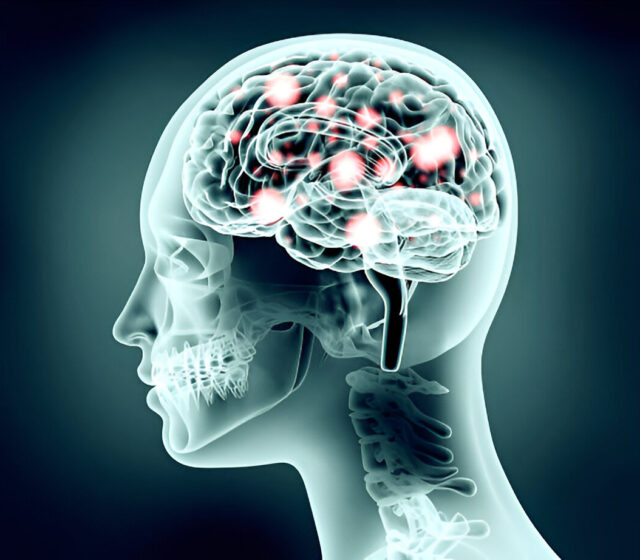
There is no single cause. It may occur due to:
- Brain chemical imbalance (especially dopamine)
- Genetic factors
- Stressful life events
- Sleep disturbance
- Substance use (especially cannabis)
It is not caused by bad parenting, weak willpower, or lack of faith.
Frequently Asked Questions (FAQs)
Is schizophrenia curable?
It is treatable and manageable.
Many patients improve significantly and live stable lives with treatment.
Will my family member become normal again?
Yes, many patients:
- Complete education
- Work successfully
- Get married
- Maintain family life
Early and regular treatment improves outcome.
Are psychiatric medicines addictive?
No. Antipsychotic medicines are not addictive.
They help balance brain chemicals.
Will medicines need to be taken lifelong?
It depends on:
- Number of episodes
- Severity
- Risk of relapse
Some patients need long-term treatment to prevent recurrence — similar to diabetes or BP.
Are patients with schizophrenia violent?
Most are not violent.
Risk increases only if:
- Illness is untreated
- There is substance abuse
- Severe paranoia is present
Treatment reduces this risk.
Will marriage cure schizophrenia?
No. Marriage is not treatment.
Medical care and structured follow-up are necessary.
Can faith healing alone treat it?
Spiritual support can give emotional strength.
But medical treatment is essential for recovery.
How Psychiatric Treatment Helps

Early psychiatric care can:
- Reduce hallucinations and delusions
- Improve thinking clarity
- Restore daily functioning
- Reduce relapse
- Improve social and occupational life
Treatment includes:
Medications
Control symptoms, Prevent recurrence And Improve stability
Psychological Therapy
Improve coping skills, Reduce stress And Improve social confidence
Family Counseling
In India, family support is crucial. Families learn: How to communicate calmly, How to identify early warning signs And How to prevent relapse.
Lifestyle Guidance
Regular sleep, Avoid substance use, Structured routine And Stress management .
Early Warning Signs of Relapse
Seek help immediately if you notice:
- Sleep disturbance
- Increased suspicion
- Social withdrawal
- Irritability
- Talking to self
- Refusal of medicines
Early intervention prevents full relapse.